




Peptides have become essential tools in various fields such as biomedical research, diagnostics, and therapeutics. Their unique properties and specific biological functions make them invaluable, yet their stability remains a critical factor influencing their effectiveness. Proper storage, handling, and understanding of peptide stability are vital to preserve their potency and ensure reliable results. This article explores the key aspects of peptide stability, offering insights into the factors that impact longevity and integrity, as well as best practices for maintaining their quality throughout their lifecycle.
Understanding Peptide Stability: Factors Affecting Longevity and Integrity
Peptide stability is influenced by a combination of chemical, physical, and environmental factors. Chemically, peptides are susceptible to hydrolysis, oxidation, and deamidation, which can degrade their structure and impair activity. Physical factors such as temperature fluctuations, light exposure, and agitation can also cause denaturation or aggregation, reducing their effectiveness. Additionally, the presence of contaminants or improper pH levels can accelerate degradation processes. Understanding these factors is crucial for predicting the shelf life of peptides and designing appropriate storage conditions to maintain their integrity over time.
Environmental conditions play a pivotal role in peptide stability. Elevated temperatures accelerate chemical reactions that lead to degradation, while exposure to moisture can promote hydrolysis. Light, especially UV radiation, can induce oxidative stress and break chemical bonds within the peptide structure. pH fluctuations may also influence stability, with extreme pH levels promoting hydrolysis or deamidation. Recognizing these influences allows researchers and practitioners to implement measures that mitigate degradation, such as controlling temperature, protecting from light, and maintaining optimal pH levels, thereby extending the functional lifespan of peptides.
Proper Storage Techniques for Maintaining Peptide Quality and Potency
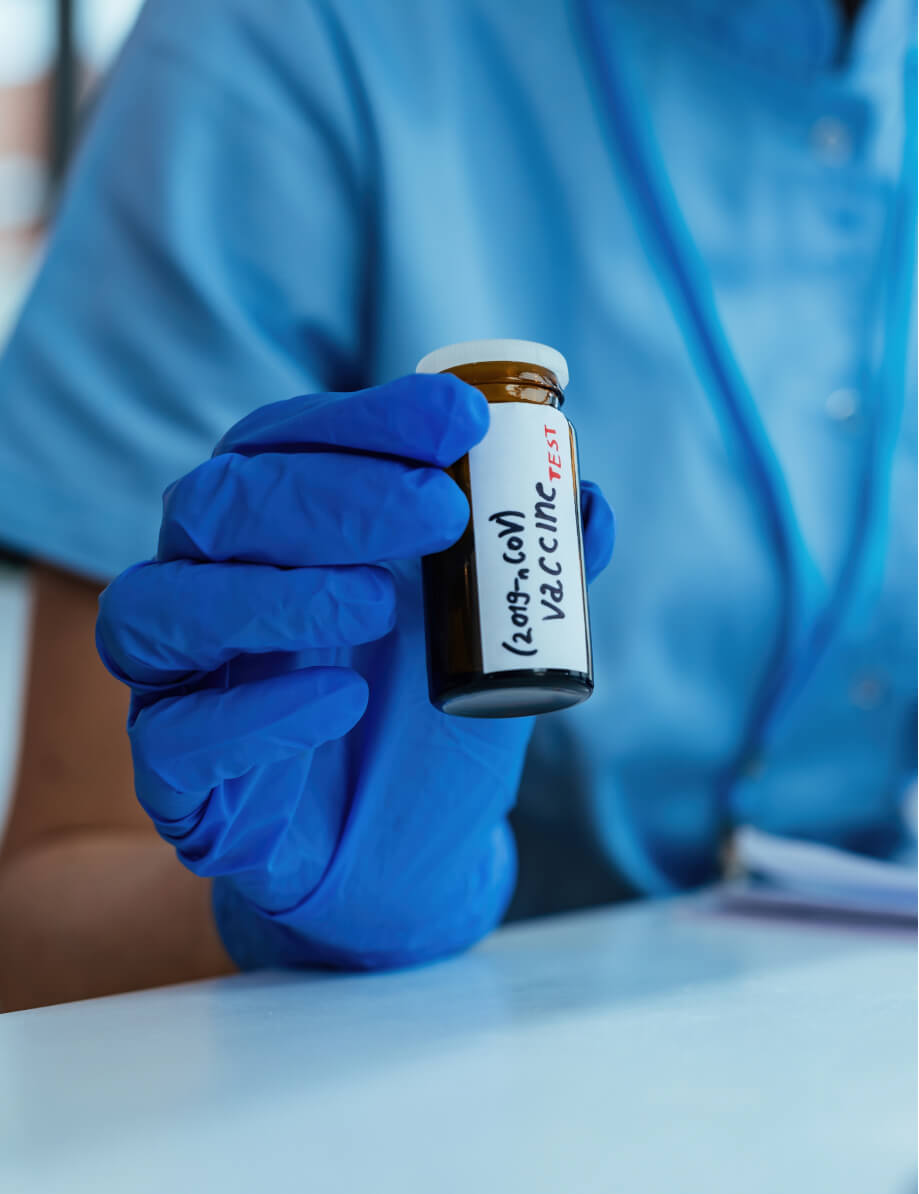
Effective storage of peptides begins with selecting appropriate containers that prevent contamination and exposure to environmental factors. Vacuum-sealed or airtight vials made of inert materials like glass or specific plastics are recommended to protect peptides from moisture and oxygen. Storing peptides in lyophilized (freeze-dried) form at low temperatures, typically between -20°C and -80°C, significantly prolongs their stability. Prior to use, peptides should be reconstituted with sterile, low-absorbance solvents such as ultrapure water or buffer solutions, and aliquoted to minimize freeze-thaw cycles, which can degrade peptide integrity.
Temperature control is paramount for peptide preservation. Consistently maintaining storage temperatures within recommended ranges reduces the risk of chemical degradation. Protecting peptides from light by storing them in opaque or amber containers is also essential, especially for light-sensitive sequences. Additionally, keeping peptides away from fluctuating environmental conditions—such as humidity and temperature swings—helps prevent physical and chemical deterioration. Proper labeling with concentration, date of reconstitution, and storage conditions ensures traceability and proper handling, ultimately maintaining peptide quality and potency for research or therapeutic applications.
Handling and Best Practices to Ensure Peptide Stability During Use
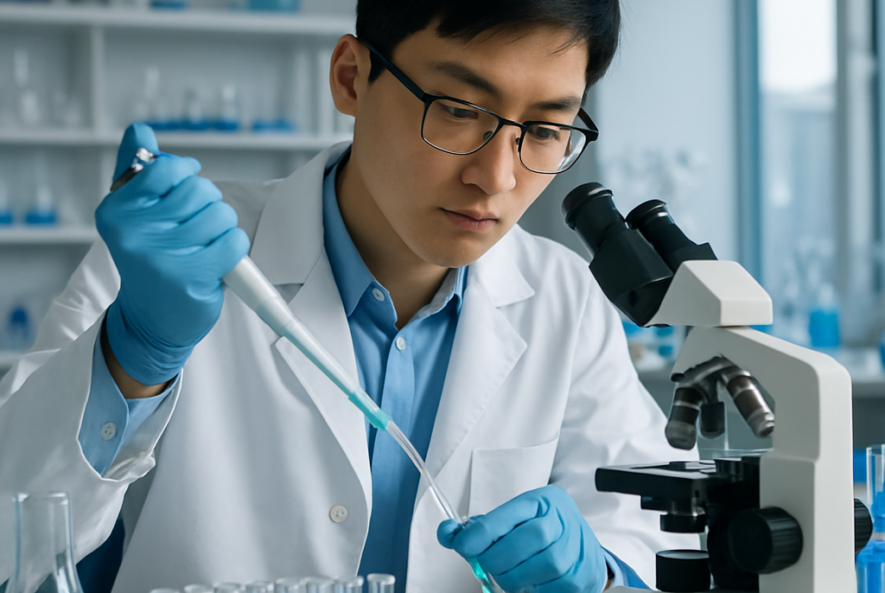
During use, careful handling of peptides is necessary to prevent inadvertent degradation. Thawing should be performed gradually at 4°C or on ice to avoid rapid temperature changes that may cause denaturation. Once reconstituted, peptides should be used promptly or stored in small aliquots at low temperatures to prevent repeated freeze-thaw cycles, which can compromise their stability. Gentle pipetting and avoiding vigorous vortexing help maintain the structural integrity of sensitive peptides, while using sterile techniques minimizes contamination risks.
Best practices during peptide application include minimizing exposure to light and heat, especially during incubation or experimental procedures. When working with peptides in solution, it is advisable to prepare fresh dilutions just prior to use. Additionally, maintaining a clean, controlled environment reduces the risk of microbial contamination or chemical interactions that could degrade the peptide. Proper documentation of handling procedures, storage conditions, and usage timelines ensures consistency and reproducibility in experiments. Adhering to these practices guarantees that peptides retain their biological activity, leading to reliable and reproducible results in research and clinical settings.
Understanding the factors that influence peptide stability, along with implementing proper storage and handling practices, is essential for preserving their efficacy. By controlling environmental conditions, using appropriate storage containers, and following careful handling protocols, researchers and practitioners can maximize the longevity and integrity of peptides. These best practices not only ensure the reliability of experimental outcomes but also enhance the safety and effectiveness of peptide-based therapeutics. Ultimately, meticulous attention to peptide stability safeguards the investment in these valuable biomolecules and supports their successful application across diverse scientific and medical fields.