

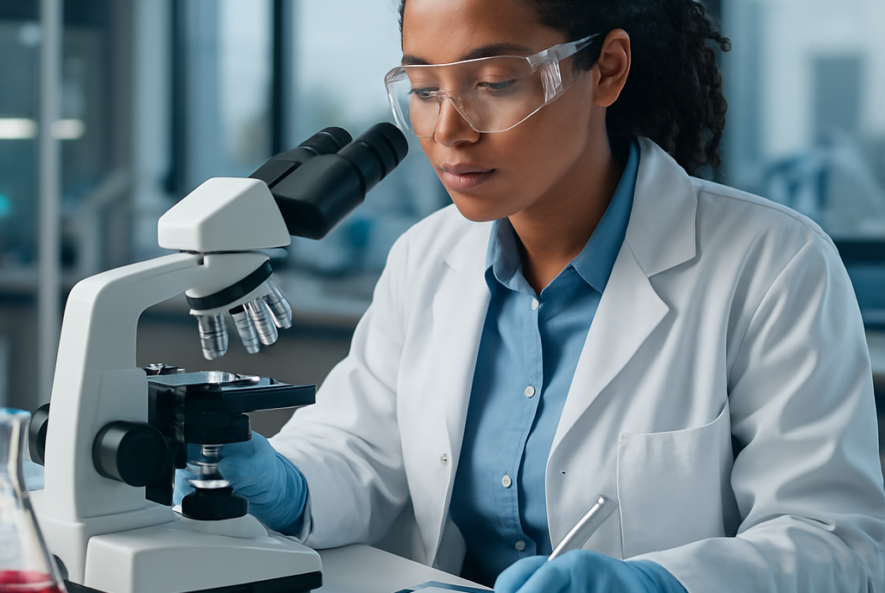
As the global population ages, there is increasing interest in strategies that promote healthy aging and improve quality of life among older adults. Among the many areas of scientific exploration, peptides have emerged as a promising focus due to their diverse biological functions and potential to influence aging processes. Peptides are short chains of amino acids that play critical roles in regulating various physiological functions, from cellular repair to hormonal balance. Recent research suggests that certain peptides may have the capacity to modulate aging-related decline, offering new avenues for intervention that could enhance healthspan—the period of life free from disease and disability. This article explores the current understanding of peptides in the context of aging, recent scientific advances, and their practical applications in promoting healthy aging.
Understanding the Role of Peptides in the Aging Process
Peptides are fundamental biological molecules involved in a multitude of processes essential for maintaining cellular health and function. In the context of aging, they are recognized for their roles in tissue regeneration, immune modulation, and hormone regulation, all of which tend to decline with age. For example, naturally occurring peptides such as growth hormone-releasing peptides (GHRPs) and collagen peptides have been studied for their ability to stimulate tissue repair and improve skin elasticity, which often deteriorate with age. Additionally, certain peptides influence the activity of enzymes and signaling pathways associated with oxidative stress and inflammation—two key contributors to the aging process. Understanding how these molecules function and interact within the body provides valuable insights into potential therapeutic strategies aimed at mitigating age-related decline.
Furthermore, research indicates that peptides may help counteract some of the molecular hallmarks of aging, such as cellular senescence and mitochondrial dysfunction. Some peptides have been shown to enhance mitochondrial biogenesis and improve energy production, thereby supporting cellular vitality. Others modulate the immune response, helping to reduce chronic low-grade inflammation—a phenomenon known as “inflammaging” that accelerates aging-related diseases. As our understanding deepens, it becomes increasingly clear that peptides are integral to the complex biological network governing aging, making them attractive targets for interventions designed to extend healthspan and improve overall well-being in older adults.
Recent Advances in Peptide Research for Healthy Aging
Recent scientific advances have significantly expanded our knowledge of how peptides can influence aging and promote health. Researchers have identified specific peptides that exhibit anti-inflammatory, antioxidant, and regenerative properties, which are crucial in addressing age-related tissue degeneration. For instance, research on thymic peptides has shown potential in restoring immune function, which declines with age and leaves older individuals more susceptible to infections. Additionally, advancements in peptide synthesis and delivery systems have improved the stability and bioavailability of therapeutic peptides, making them more viable for clinical use. These technological innovations are paving the way for more targeted and effective peptide-based treatments aimed at mitigating the physiological decline associated with aging.
In parallel, studies have explored the role of bioactive peptides derived from natural sources such as collagen, milk, and plants, which may support skin health, joint function, and metabolic balance. Clinical trials investigating peptides like epithalamin and sermorelin have demonstrated promising results in enhancing hormonal function and cellular regeneration in aging populations. Moreover, cutting-edge research into peptide mimetics and peptidomimetics—synthetic molecules designed to mimic natural peptides—opens new possibilities for developing therapies with improved stability and potency. Collectively, these advances highlight a rapidly evolving field that holds considerable promise for translating peptide science into practical interventions for promoting healthy aging.
Practical Applications and Future Directions in Peptide Therapy
The practical application of peptides in healthy aging is already underway, with various formulations and therapies available or in development. Peptide supplements, topical creams, and injectable treatments are being explored to enhance skin elasticity, reduce wrinkles, and support joint health. In clinical settings, peptide-based therapies are being investigated for their ability to bolster immune function, improve metabolic health, and support tissue regeneration. As research progresses, personalized approaches that tailor peptide treatments to individual genetic and physiological profiles are likely to become more prevalent, maximizing therapeutic efficacy while minimizing side effects. Regulatory considerations and rigorous clinical trials will be essential to ensure safety and effectiveness as peptide therapies move from research to mainstream healthcare.
Looking ahead, future directions in peptide therapy are poised to leverage advances in biotechnology, genomics, and nanotechnology. Researchers are exploring the development of smart peptides capable of targeted delivery to specific tissues or cells, thereby increasing therapeutic precision. Additionally, combining peptides with other regenerative strategies—such as stem cell therapy or lifestyle interventions—may create synergistic effects that further enhance healthy aging outcomes. Continued investigation into the molecular mechanisms of aging will facilitate the identification of new peptide candidates and optimize existing ones. Ultimately, the integration of peptide-based therapies into holistic aging management strategies promises to transform how we approach aging—shifting the focus from merely extending lifespan to enhancing healthspan and overall quality of life for older populations.
Peptides represent a promising frontier in the quest for healthy aging, offering insights into the biological mechanisms that underpin age-related decline and opening doors to innovative therapeutic strategies. As research continues to uncover the diverse roles of peptides in cellular health, immune function, and tissue regeneration, their potential to improve quality of life in aging populations becomes increasingly evident. Practical applications are already emerging, and future advancements are expected to refine and expand the use of peptide-based interventions. With ongoing scientific and technological progress, peptides may well become a cornerstone of personalized, effective approaches to promote longevity and vitality in the years to come.